
Why Does Your Dog Hate Nail Trimming? (And How to Fix It)
Discover the real reasons dogs fear nail trims — from painful past experiences to sensitive paws — and simple ways to make it stress-free.
 Save
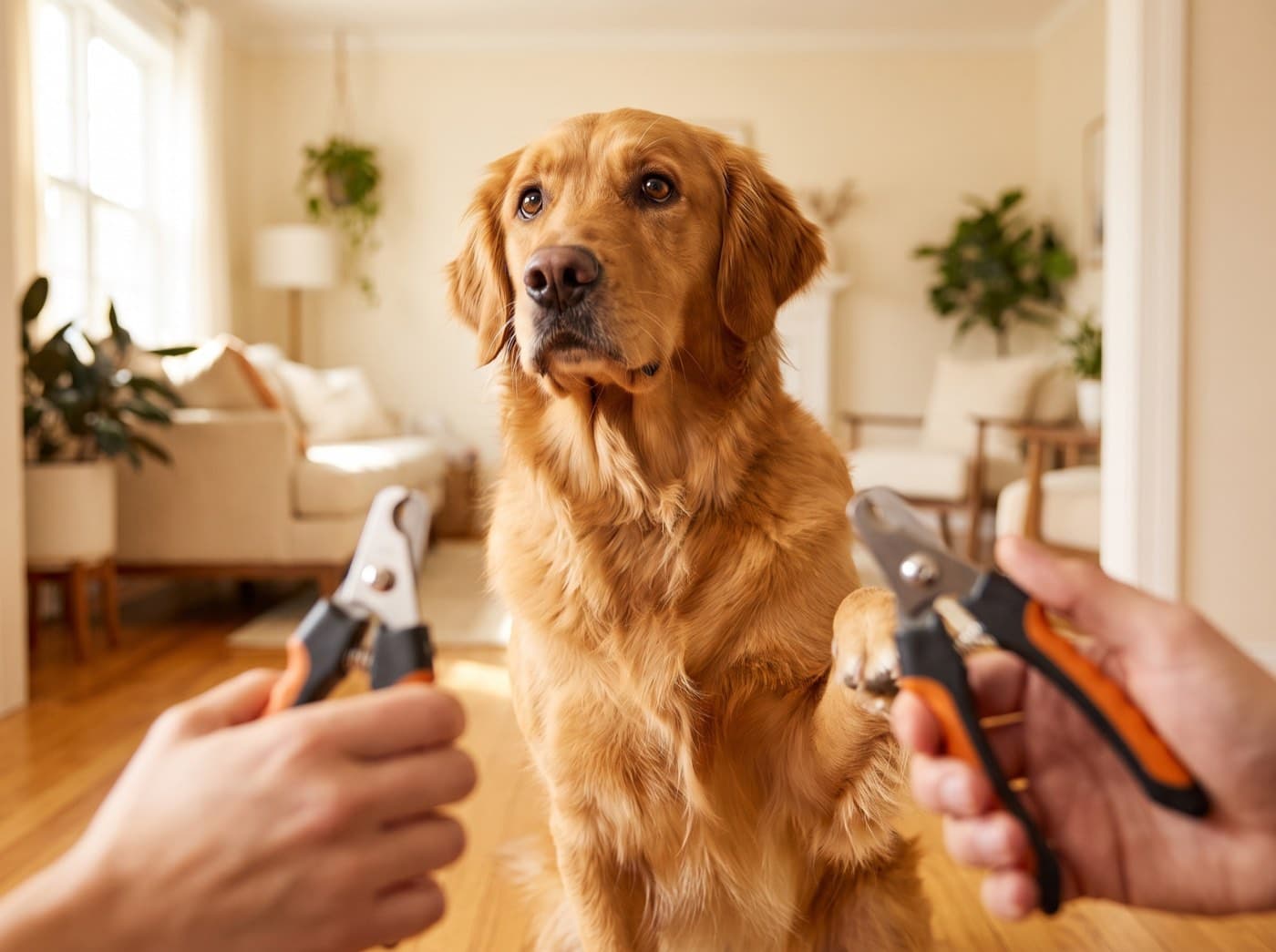
SaveIf your dog turns into a different animal the moment you reach for the nail clippers — hiding under the bed, trembling, or trying to bite — you're far from alone. Nail trimming ranks among the most dreaded grooming tasks for dog owners, and for good reason: dogs have real, physiological reasons to fear it.
Understanding why your dog reacts this way is the first step toward making nail care something they can actually tolerate — or even enjoy.
Why Dogs Are Wired to Protect Their Paws
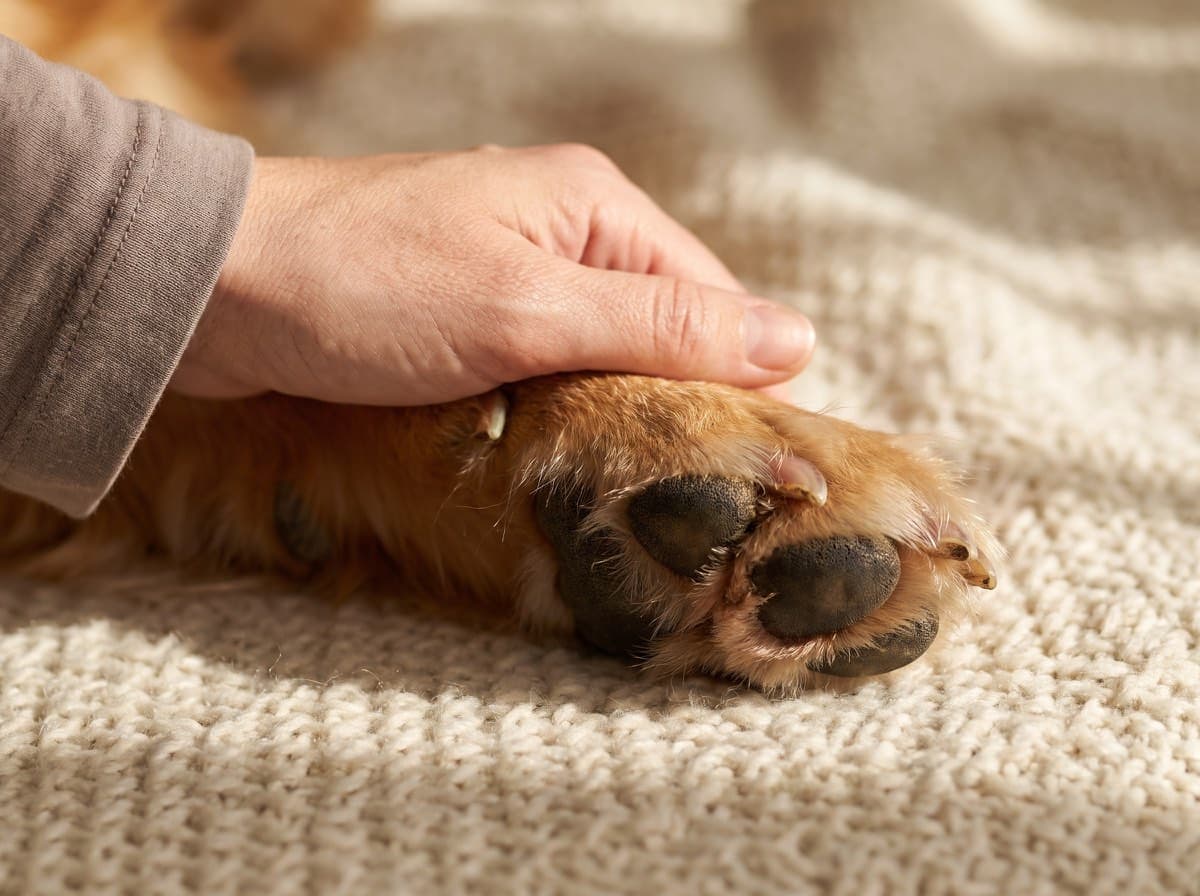
A dog's paws are packed with sensory nerves that help them navigate their environment, sense terrain, and detect threats. This isn't incidental — it's instinctive. In the wild, a wounded paw could mean the difference between escaping danger and not. So when a dog pulls away from having their paws touched, they're not being stubborn. They're following a deeply rooted survival instinct.
This is why even the calmest, most well-trained dogs can react negatively the moment someone reaches for their feet.
 Save
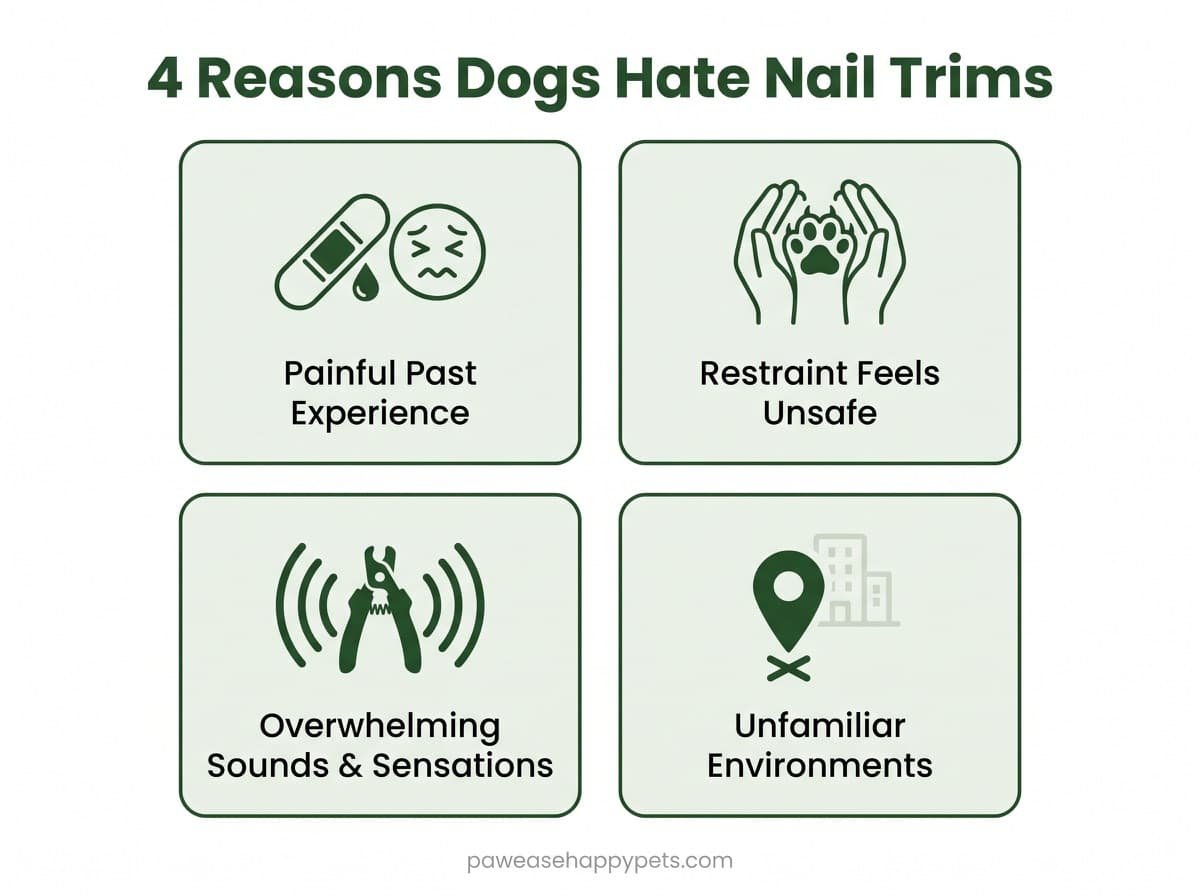
SaveThe 4 Real Reasons Dogs Hate Nail Trims
 Save
Save1. A Painful Past Experience
If a dog has ever been cut too short — hitting the "quick," the blood vessel inside the nail — that single moment can create a lasting fear response. Dogs are excellent at forming associations, and one painful trim is often enough to make every future session feel like a threat.
2. Restraint Feels Unfamiliar and Unsafe
Trimming nails requires holding a dog's paw still, which many dogs find unsettling well before the clippers even come out. Being restrained — even gently — can trigger anxiety, especially if it happens infrequently.
3. Sensory Overload from the Tools Themselves
The sound of clippers snapping shut or a grinder buzzing can be startling on its own. Combined with the sensation of pressure on a nerve-dense paw, it's an overwhelming combination for many dogs — regardless of how they feel about their owner.
4. Unfamiliar Environments Compound the Stress
For dogs trimmed at a groomer or vet clinic, unfamiliar smells, sounds, and surfaces add another layer of stress on top of the nail trim itself — leaving little time to build trust before the process starts.
Signs Your Dog Is Stressed During Nail Trims
Recognizing early stress signals helps prevent a bad trim from becoming a long-term fear. Watch for:
- Pulling the paw away repeatedly
- Panting or whining before you've even started
- Trying to leave or hide when they see the clippers
- Lip licking, yawning, or "whale eye" (showing the whites of their eyes)
- Trembling or a tucked tail
These aren't signs of stubbornness — they're communication. If you notice these signals escalating, it's a cue to pause, not push through.
Why Long Nails Are a Real Problem (Not Just Cosmetic)
Skipping nail trims because of the stress involved is understandable — but overgrown nails create their own set of problems. Long nails can affect a dog's posture and gait over time, eventually contributing to joint strain. They're also more prone to splitting and breaking in painful ways, and more likely to scratch furniture or human skin during normal play.
In other words: avoiding the problem doesn't make it go away. It just delays it — often making the eventual trim even harder.
How to Actually Fix This (Without Forcing It)
The good news: fear of nail trims is almost always reversible with the right approach. Here's what actually works.
Build Positive Associations Before You Ever Trim a Nail
Store your nail tools somewhere your dog already associates with good things. Take them out alongside a treat, let your dog sniff them, then put them away — no trimming involved. Repeat this for several days before attempting an actual trim.
Desensitize Paw Handling Separately From Trimming
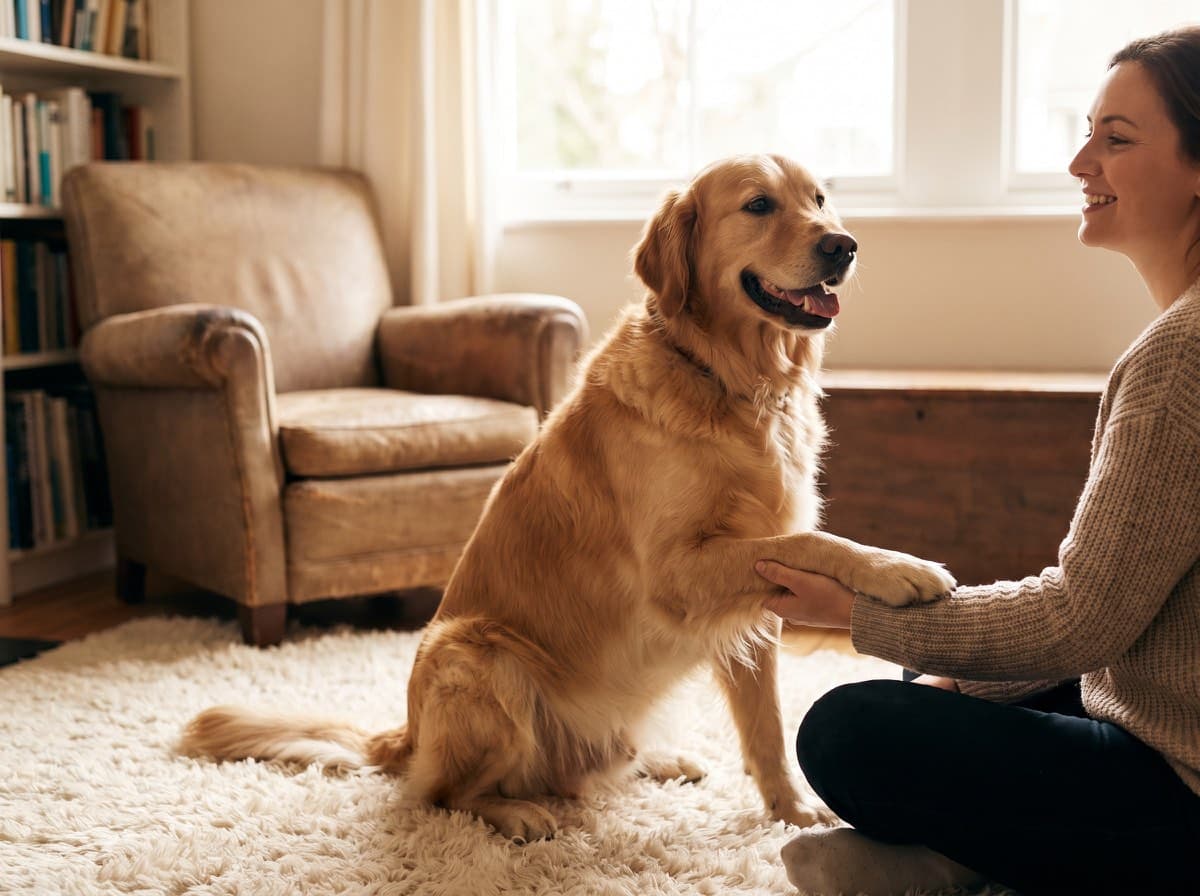
Practice touching your dog's paws during calm, low-stress moments — not right before a trim. Start at the shoulder or leg, gradually working toward the paw, pairing each touch with praise or a treat. This should feel completely disconnected from "nail trim time" in your dog's mind.
Go Nail by Nail, Not All at Once
Rather than trying to trim all nails in one sitting, work on just one nail per session — especially for dogs with an existing fear. It feels slow, but it builds tolerance far more effectively than pushing through a full trim while your dog is stressed.
Consider a Tool That Lets Your Dog Control the Process
One of the most effective ways to remove fear from the equation entirely is to change how the nail gets filed — not just how carefully you do it. Dogs who dislike having their paws handled by another creature often respond very differently to a tool they can use themselves.
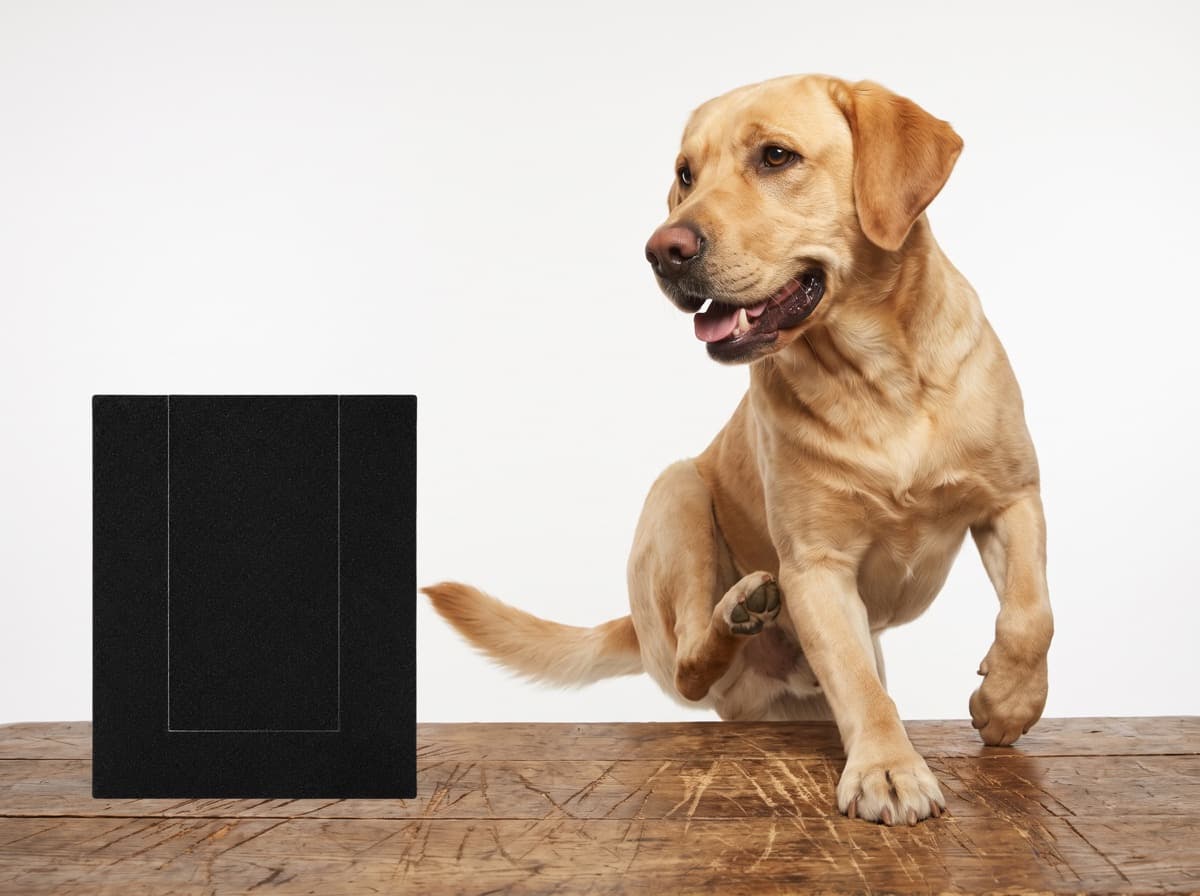
This is exactly the idea behind NailEase™: a scratch board that lets your dog file their own nails by scratching a textured surface to reach a treat. There's no restraint, no tool coming at their paw from an external hand — just a natural scratching motion your dog already does instinctively.
 Save
SaveNever Punish or Force the Process
If your dog growls, pulls away, or asks for a pause, that's valuable feedback — not defiance. Punishing this response only teaches your dog that communicating discomfort doesn't work, which tends to make fear worse, not better.
When to Get Professional Help
If your dog's fear is severe — panicking, biting, or shutting down completely — a certified dog behavior consultant or your veterinarian can help build a desensitization plan suited to your dog's specific triggers. Some vets also offer mild pre-visit calming protocols for dogs who need extra support during trims.
The Bottom Line
Your dog's fear of nail trims isn't a training failure — it's a natural response to a genuinely uncomfortable situation. The path forward isn't about forcing them through it faster. It's about removing the fear triggers one at a time: the restraint, the unfamiliar tool, the sudden pressure on a sensitive paw.
For many dogs, that means slow, positive desensitization. For others, it means changing the tool entirely — giving them a way to manage their own nail care on their own terms.
 Save
SaveWant to see how it works? Learn more about NailEase™ — the stress-free way dogs are filing their own nails.